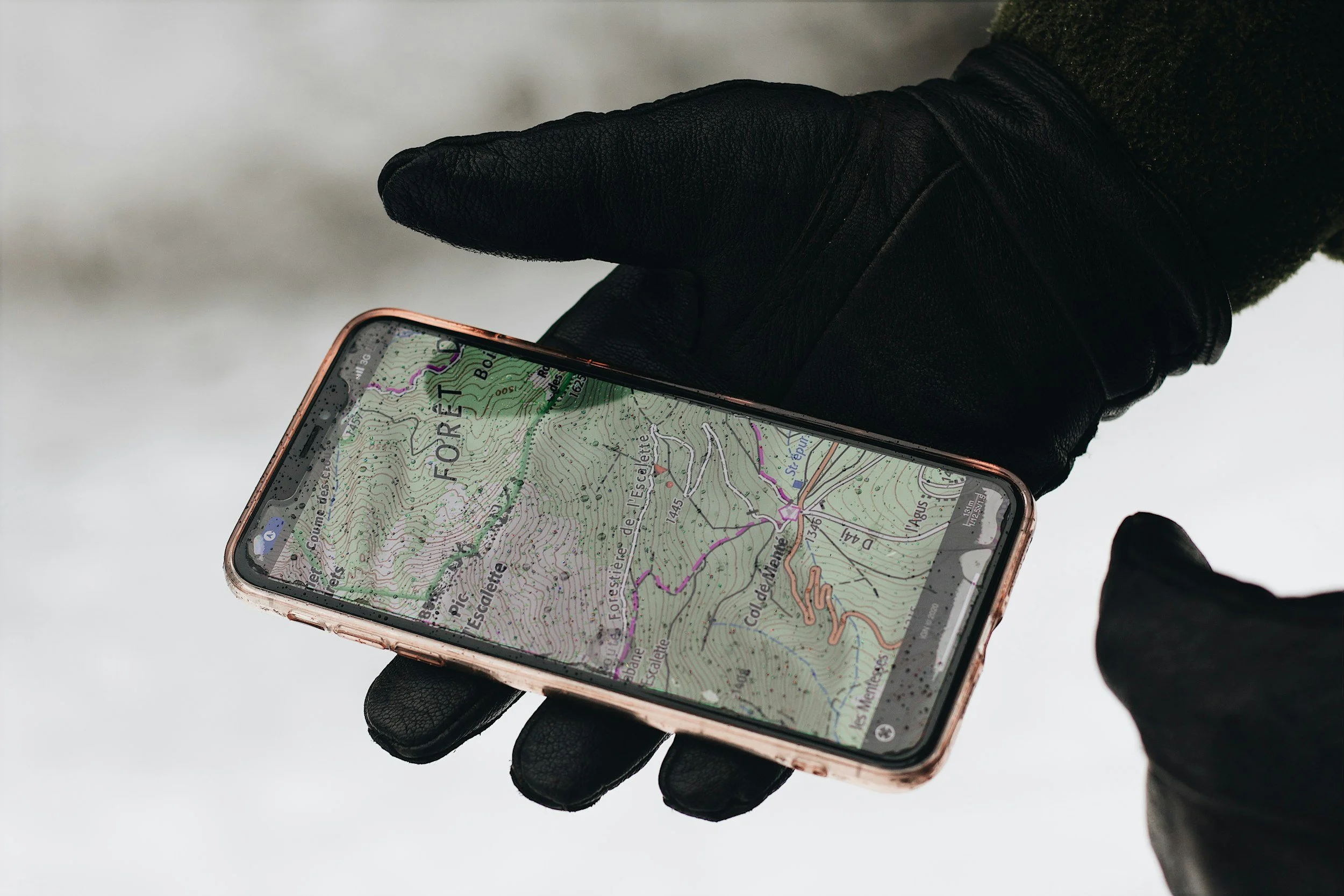
When you’re putting directions into your phone or GPS, you’ll often get a few options. Do you want the fastest route? Do you want the shortest route? Do you want to avoid tolls? As God begins to lead his people out of slavery in Egypt, he makes it clear that neither the shortest nor the fastest route is his priority. Scripture records,
When Pharaoh let the people go, God did not lead them by way of the land of the Philistines, although that was near. For God said, “Lest the people change their minds when they see war and return to Egypt.” But God led the people around by the way of the wilderness toward the Red Sea (Exodus 13:17-18).
We see here that God leads his people for their good. He leads them the long way around to avoid war with the Philistines. Yet, as God keeps leading, it must have been less and less clear to his people that he had their good in mind.
As he leads his people to the Red Sea, the Lord explains his plan,
Then the Lord said to Moses, “Tell the people of Israel to turn back and encamp in front of Pi-hahiroth, between Migdol and the sea, in front of Baal-zephon; you shall encamp facing it, by the sea. For Pharaoh will say of the people of Israel, ‘They are wandering in the land; the wilderness has shut them in.’ And I will harden Pharaoh’s heart, and he will pursue them, and I will get glory over Pharaoh and all his host, and the Egyptians shall know that I am the Lord.” And they did so (Ex 14:1-4).
God plans to use his people as the bait in his trap for Pharaoh. He is leading his people to the edge of the Red Sea where they have no chance to escape so that the Egyptians will come and attack them. This certainly doesn’t seem like God leading his people for their good. It looks like he’s hanging them out to dry.
Understandably, the people are worried:
When Pharaoh drew near, the people of Israel lifted up their eyes, and behold, the Egyptians were marching after them, and they feared greatly. And the people of Israel cried out to the Lord. They said to Moses, “Is it because there are no graves in Egypt that you have taken us away to die in the wilderness? What have you done to us in bringing us out of Egypt? Is not this what we said to you in Egypt: ‘Leave us alone that we may serve the Egyptians’? For it would have been better for us to serve the Egyptians than to die in the wilderness” (Ex 14:10-12).
No longer do they believe that God is working for their good. They have no idea what God is doing, but they sense that it is going to get them killed.
What comes next is truly remarkable. The Lord parts the Red Sea, his people pass through on dry ground, and then the water crashes over the Egyptian army and destroys it. Scripture reflects on this crossing of the Red Sea, noting, “Israel saw the great power that the Lord used against the Egyptians, so the people feared the Lord, and they believed in the Lord and in his servant Moses” (Ex 14:31).
God led his people to a place where they had no choice but to trust in him. They had to depend on him for their salvation or else they would have been overwhelmed by Egypt. Not only did his people have to trust in him, the Lord also took away Egypt as a backup plan. Pharaoh and his army were destroyed. There was no going back. They were going to have to lean on the Lord as he led them through the wilderness.
In our own lives, it’s easy to believe we’ve missed God’s leading when difficulties arise. When the trail you’re on goes from well-marked and clear to overgrown and washed away, you know you need to look at the map. In life, however, we find that God often leads us down the difficult paths. He rarely takes us the fastest route, but he will take us down the path that builds our faith. As he we see in Exodus, God leads his people for our good. Sometimes the best place for us to be is where we have no choice left but to trust in him.